
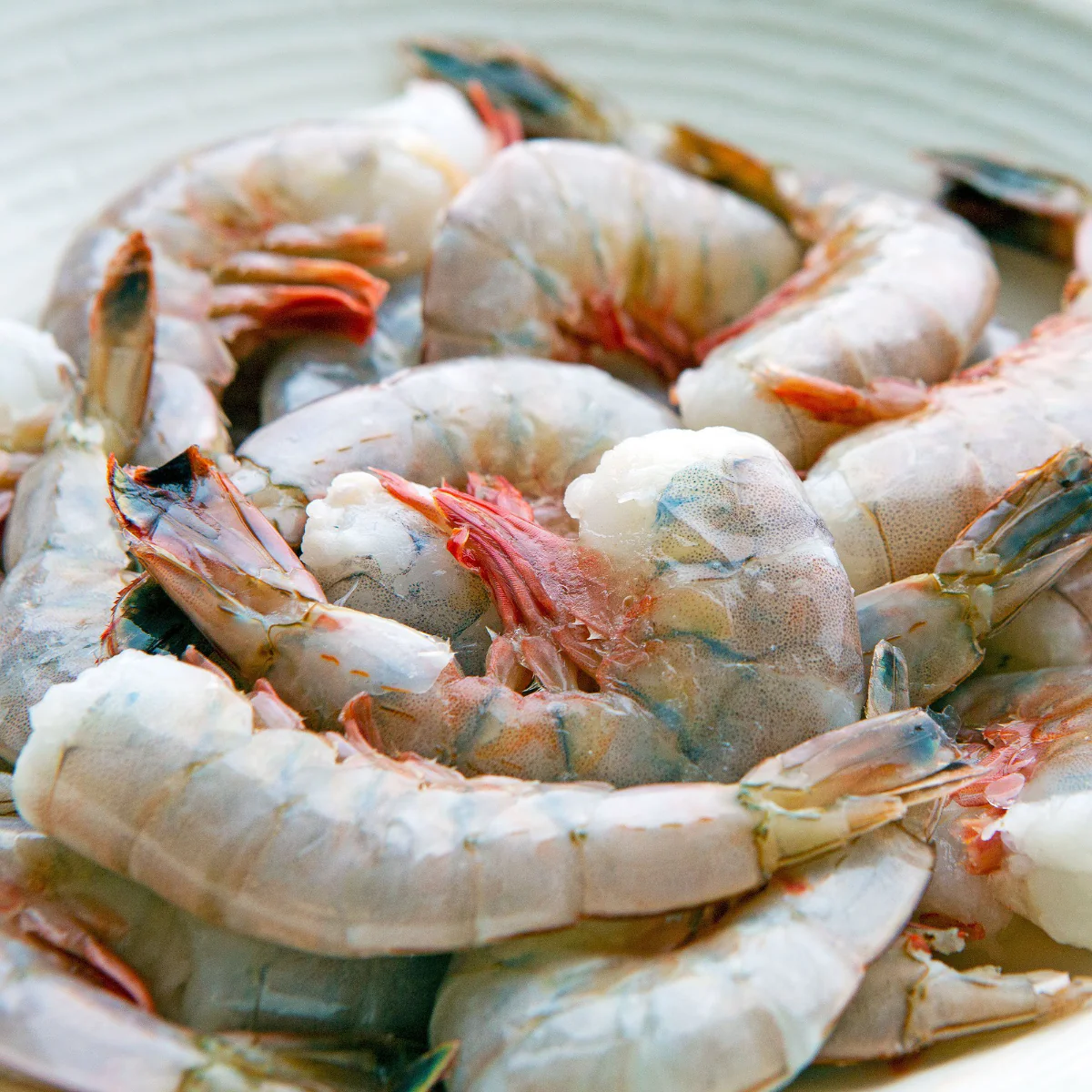

Wholesale Shrimps In Norway
Shrimps are small, swimming crustaceans related to lobsters and crabs, often eaten as food. They are characterized by a long, flexible body, long antennae, and a flattened abdomen with a fanlike tail. There are thousands of shrimp species found in various habitats, with many being adapted to specific environments.
Key features of shrimps:
-
- Crustaceans: They belong to the class Crustacea, a group of aquatic invertebrates with exoskeletons.
- Long, slender bodies: They have a relatively long and narrow body, often compressed from side to side.
- Crustaceans: They belong to the class Crustacea, a group of aquatic invertebrates with exoskeletons.
- Long antennae: They possess long antennae used for sensing their environment.
- Well-developed swimmerets: Shrimp have well-developed pleopods (swimmerets) that help them swim.
- Flexible abdomen: Their abdomen is flexible and often ends in a fanlike tail.
Different types of shrimp:
- Caridean shrimp: A large group of shrimp that includes many commercially important species.
- Giant tiger prawn: A large species of prawn, often found in aquaculture.
- Cherry shrimp: A small, colorful shrimp commonly kept in aquariums.
- Pink shrimp: A cold-water shrimp known for its pink color and flavor.
- Banana Prawn: A popular Asian species of freshwater shrimp.
Shrimp in food:
-
Culinary use:Shrimp are a popular seafood, often eaten steamed, boiled, grilled, or in various dishes like sushi.
-
Flavor:Shrimp have a delicate, sweet flavor and are often paired with citrus, herbs, and other ingredients.
-
Nutritional value:Shrimp are a good source of protein, omega-3 fatty acids, and various vitamins and minerals.
Shrimp in nature:
-
Important food source:Shrimp are an important food source for many animals, including fish, birds, and larger marine animals.
-
Ecological role:They play a role in the food web as both predators and prey, contributing to the health of aquatic ecosystems.
Be the first to review “Wholesale Shrimps In Norway”
Related products
Shrimps

Reviews
There are no reviews yet.